Exploring Metalwork Methods and Their Impact on the Industry
Metal fabrication is a critical process used in creating parts or structures from raw metal materials. It’s utilized across various industries, including construction, automotive, and aerospace. Skilled fabricators use different techniques to shape and assemble metals into finished products. Understanding these methods not only benefits businesses but also ensures high-quality outputs for consumers. This article delves into key aspects of metal fabrication, its advantages, common challenges, and best practices.
Benefits of Innovative Metalwork
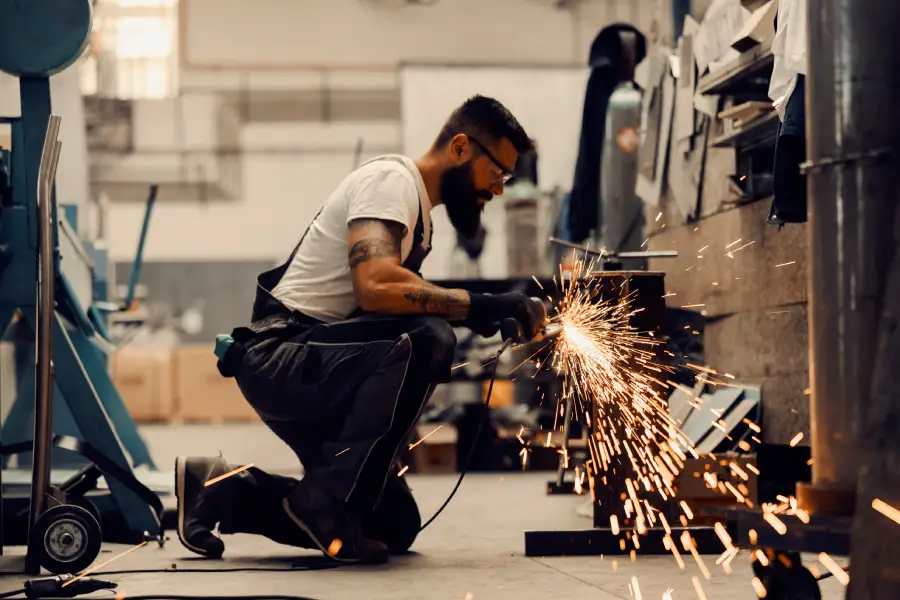
Using advanced metal fabrication techniques brings multiple benefits to both manufacturers and consumers. Firstly, it allows for precise product customization tailored to specific needs. This ensures that each piece fits perfectly within its intended application, enhancing efficiency. Secondly, modern techniques can streamline production processes, reducing waste and saving time. By investing in state-of-the-art equipment and skilled labor, companies often see an increase in production capacity without compromising quality.
Common Challenges Faced by Fabricators
The world of custom fabrication presents several challenges. One major issue is maintaining consistency across large orders while keeping costs manageable. Additionally, working with diverse materials requires different skill sets and machinery, which can be costly to acquire and maintain. Another challenge is staying updated with ever-evolving industry standards, which demand ongoing training and adaptation.
Solutions for Overcoming Fabrication Hurdles
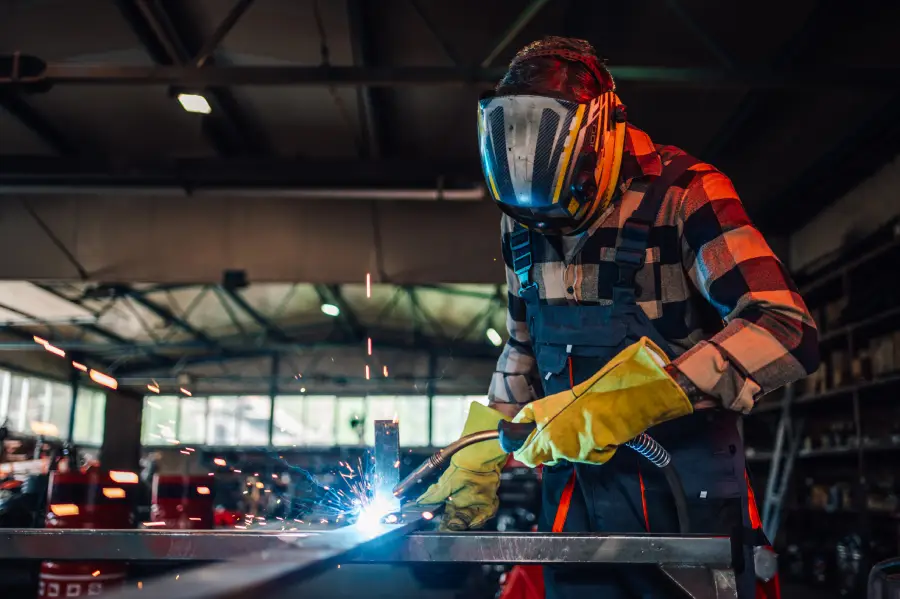
Tackling the obstacles in custom fabrication involves strategic planning and investment in technology. Implementing automation tools can minimize human error and improve precision in repetitive tasks. Regular training sessions help workers stay informed about new techniques and safety protocols. Also, establishing strong supplier relationships ensures access to quality materials at competitive prices.
- Automate repetitive tasks to reduce errors
- Regularly train staff on new methods
- Foster strong supplier partnerships
- Invest in quality control measures
Best Practices in Metal Fabrication
Adhering to best practices is crucial in delivering top-notch results. Fabricators should prioritize safety through rigorous checks and proper protective gear. Leveraging computer-aided design (CAD) software enhances accuracy in planning and execution. Furthermore, adopting lean manufacturing principles helps eliminate waste and optimize resource use.
- Implement strict safety protocols
- Utilize CAD software for planning
- Embrace lean manufacturing principles
Industry Standards That Govern Fabrication
Compliance with industry standards is non-negotiable for any reputable metal fabricator. Regulations ensure that products meet safety and performance requirements essential for consumer protection. Familiarity with these standards aids fabricators in maintaining competitive advantage while assuring clients of product reliability.
Evaluating Cost Factors in Metalwork
The cost of metal fabrication can vary based on project complexity, material type, and required precision levels. Although initial investments might be high due to machinery and training costs, the long-term savings from efficient production processes justify expenses. Calculating return on investment (ROI) is essential when considering upgrades or expansions.
Your Next Step With Expert Fabricators
Ready to enhance your projects with precision-engineered metal solutions? At Severed Metal Fabrication Powder Coating, we specialize in delivering customized fabrication services. Contact us today at (925) 250-1107 for expert guidance. Our team operates out of Oakley, CA, serving clients nationwide with excellence and commitment.