Understanding the Importance of Strong Structures
Structures, whether they are bridges, buildings, or machinery, need to be strong and reliable. The strength of these structures depends on the materials used in their construction. Steel and other metals are often chosen for their durability. But how do these metals get shaped into beams, pipes, and other parts that hold our world together? This is where the process of shaping and forming metal plays a crucial role.
The Role of Shaping Metals
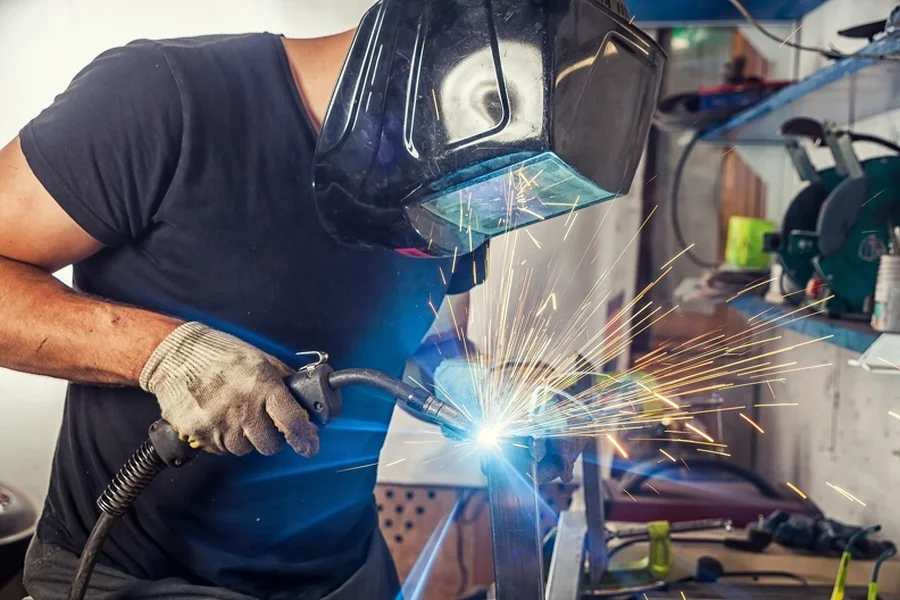
Metal fabrication is the process of cutting, bending, and assembling metals into desired shapes and sizes. It transforms raw metal into products that can withstand pressure and stress. These processes not only shape the metal but also enhance its strength by reducing weaknesses like cracks or flaws.
Key Processes in Forming Metal
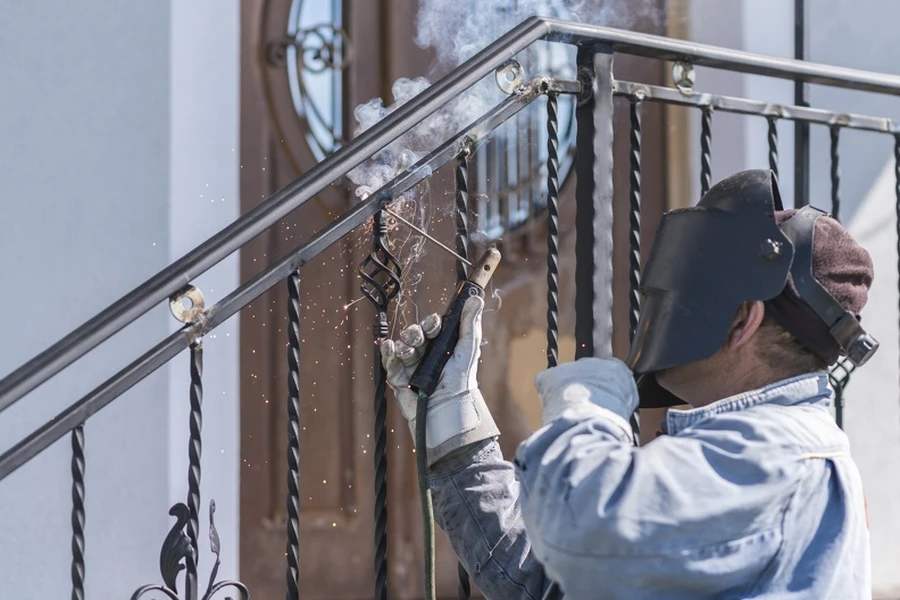
There are several key processes involved in metal fabrication. These include cutting, bending, and welding. Cutting involves slicing through metal sheets or bars using various techniques such as sawing or laser cutting. Bending reshapes the metal without breaking it, creating curves and angles. Welding joins different pieces of metal together to form a single structure, ensuring they stay connected under stress.
Benefits of Using Strong Materials
The advantages of using well-fabricated metal in construction are many:
- Durability: Metal is resistant to weather conditions and pests.
- Strength: Properly fabricated metal supports heavy loads effectively.
- Versatility: Can be molded into various shapes to fit different needs.
Common Challenges in Working With Metals
One challenge is ensuring precision during fabrication. Errors can lead to weak points that compromise structural integrity. Another issue is material fatigue over time, which may cause deformities if not checked regularly.
Solutions for Effective Metal Use
To overcome challenges, it’s important to follow best practices in fabrication. Using high-quality materials and maintaining equipment ensures top performance. Regular inspections help catch potential issues before they develop into bigger problems.
Best Practices for Lasting Structures
When it comes to creating long-lasting structures with metal, experts suggest:
- Selecting the right type of metal for your project.
- Ensuring all fabrication processes meet industry standards.
- Conducting regular maintenance checks.
- Keeping up with technological advances in material science.
Industry Standards to Follow
Compliance with industry regulations is crucial. Many countries have specific guidelines that dictate how metals should be fabricated and used in construction projects. Adhering to these standards helps ensure safety and quality.
Considering Costs and Benefits
The cost of using high-quality, fabricated metal might be higher initially. However, the long-term savings from reduced repairs and replacements can make it a cost-effective choice. Additionally, investing in durable materials enhances the overall value of a project.
Final Recommendations for Structural Success
In conclusion, enhancing structural integrity with well-crafted metal involves understanding every aspect of the fabrication process. Regular checks and adherence to standards keep structures safe and sound. If you’re considering a project involving metal, contact Severed Metal Fabrication Powder Coating at (925) 250-1107. Our team is based in Oakley, CA and specializes in delivering top-notch solutions tailored to your needs.